Protective Clothing to Protect Against Heat & Flame
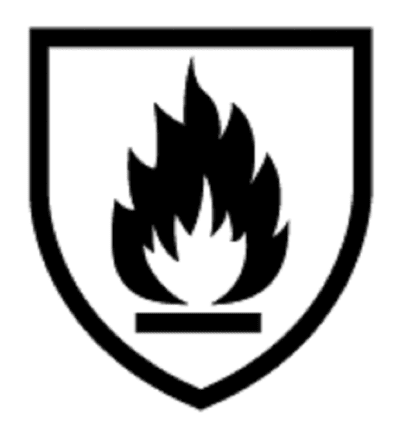
This EN Norm specifies PPE clothing designed for workplaces where there is a risk of exposure to heat and flame. The standard is divided into several categories, with code letters (A, B, C, D, and E) indicating the specific heat and flame protection requirements that the garment must meet.In addition to material performance, the design and construction of the garments play a crucial role in ensuring compliance with these EN Norm standards, guaranteeing both safety and durability in demanding work environments.
General Advice for 2-Part Garments (e.g., Trouser & Jacket Combinations)
When wearing flame-resistant clothing, both garments — such as a flame-resistant jacket and trouser — must conform to the same protection standard. Wearing a single flame-resistant item (for example, only a polo shirt) without a compliant lower garment compromises overall protection. Likewise, non–flame-resistant outerwear worn over compliant garments will negate their protective effectiveness.
To ensure adequate safety, there must be a minimum overlap of 20 cm between the hem of the upper garment and the waistband of the trousers when worn. If this overlap cannot be maintained, a risk assessment must be conducted before use. Under no circumstances should any combination of garments be worn if it results in a gap or exposed area during movement or use.
US Standard – NFPA 2112
The NFPA 2112 is the U.S. standard for heat and flame protection. The main difference between NFPA 2112 and EN ISO 11612 lies in the char length test and the number of washing cycles used for testing. NFPA 2112 typically evaluates garment performance after 100 washes, compared to 50 washes under EN standards.
Despite these differences, EN ISO 11612 is recognized internationally and approved for use in the United States, offering a reliable benchmark for flame-resistant protective clothing.